
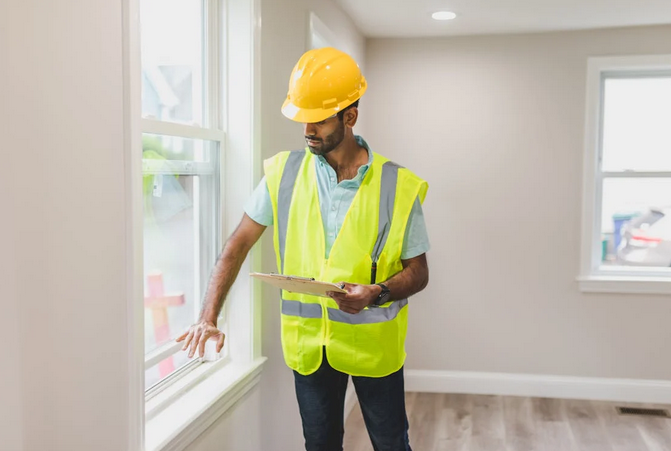
Many homeowners underestimate the subtle signs of mold. Musty odors, persistent allergy symptoms, or faint discoloration on walls often get dismissed as minor inconveniences. Without proper testing performed by a trusted provider, you can’t confirm the presence or extent of mold. Small colonies can grow quickly, spreading into hidden areas. By the time visible damage appears, the problem may already require extensive remediation. Recognizing the value of early testing is essential to prevent a manageable issue from becoming a costly one.
Assuming a Clean Home Means a Mold-Free Home
A tidy, well-maintained home can still hide mold. It thrives in areas you rarely inspect, like crawl spaces, attic insulation, or behind bathroom tiles. Even if your home appears spotless, moisture can seep into places you can’t easily see. Without professional testing, these areas go unchecked. Mold doesn’t need visible dirt to survive. It needs moisture, warmth, and organic material, all of which can be present in a well-kept home. Testing helps ensure your home’s health matches its appearance.
Believing DIY Methods Are Enough
Homeowners often think store-bought test kits are a sufficient alternative to professional inspections. These kits may detect mold spores, but they can’t determine the source or measure the full extent of contamination. A professional inspection uses advanced equipment and trained expertise to locate hidden growth. Relying solely on DIY methods can give a false sense of security. The results might show you have mold, but without proper analysis, you won’t know where it’s coming from or how serious it is.
Underestimating the Impact on Property Value
Skipping mold testing before selling a home is a common mistake. Buyers today are more aware of indoor air quality concerns. A surprise mold discovery during the buyer’s inspection can lead to renegotiations, price reductions, or lost sales. Even if you’re not selling soon, untreated mold can cause structural damage that lowers your home’s value over time. Proactive testing helps protect your investment and avoids unpleasant surprises during real estate transactions.
Overlooking the Health Connection

Mold can have serious health implications, especially for those with allergies, asthma, or weakened immune systems. Without testing, you may not link recurring respiratory issues or skin irritations to your home environment. Families sometimes spend months treating symptoms without realizing the cause is mold exposure. Professional testing identifies the type of mold and its concentration, giving you the information needed to address both the contamination and its health effects. Ignoring this step risks long-term harm to household well-being.
Thinking Moisture Problems Will Resolve Themselves
Moisture is mold’s main ally. Roof leaks, plumbing issues, and condensation can create an ideal breeding ground. Homeowners sometimes believe fixing the moisture problem is enough to solve the issue. Unfortunately, mold can remain active even after the moisture source is addressed. Without testing, you won’t know if colonies are still present and releasing spores into the air. Professional inspections verify that repairs have truly eliminated the problem, ensuring the utmost protection against future outbreaks.
Perhaps the most costly mistake is waiting for visible damage before taking action. By the time you see mold stains or crumbling drywall, the infestation may have spread deep into the structure. Repairs at this stage can involve tearing out walls, replacing insulation, and treating large areas. Testing at the first sign of trouble is far more affordable than full remediation. Early detection also helps preserve your home’s structural integrity and reduces the likelihood of repeat problems. Skipping mold testing may save a little time and money in the short term, but the risks far outweigh the initial savings. Mold can grow unnoticed, affect health, and damage your property’s value.…